
Moms who have successfully breastfed their babies can give great advice. Here are some of their gems.
Take a breastfeeding class before delivery
Breastfeeding is a wonderfully natural thing to do, but learning how can help. Spend a little time learning about what happens after delivery.
Start breastfeeding right in the delivery room
Your baby will be interested in feeding within a few minutes of birth. Keep skin-to-skin and enjoy an early feeding.
It’s all about the latch
How your baby holds your nipple and areola is the key to comfortable breastfeeding. Make sure the mouth is opened wide and baby gets a big mouthful. If it hurts, get help as soon as possible!
Feed throughout the night at first
No matter how tired or sore you are, you do need to feed around the clock in the beginning. This brings in a excellent supply of milk and assures that your baby starts gaining weight quickly.
Babies cry more on their second day of life
This can be upsetting and you might not know what to do to soothe your baby. Crying doesn’t always mean hunger. Hold your baby skin to skin and offer the breast frequently. This fussiness is common and is called “Second Night Syndrome” although it can happen during the daytime also.
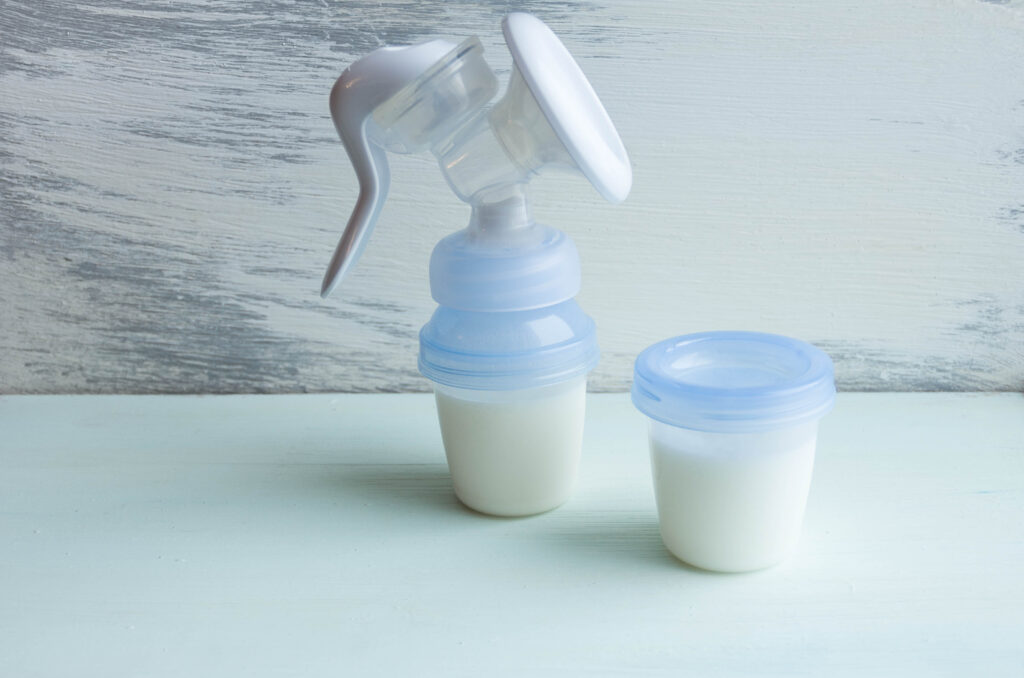
You don’t need a breast pump right away
Your newborn is the best pump, and frequent feedings get breastfeeding off to a good start. If a breast pump does become necessary for a medical reason, a lactation consultant can give you advice about the best kind for your situation.
Use it or lose it
The best way to make more milk is to feed the baby. An “empty” breast makes more milk. Don’t skip breastfeeding sessions in the early days.
Don’t wait too long to try a bottle
Breastfeeding exclusively for the first 4-6 weeks gets breastfeeding off to a good start. But if you are planning on going back to work or will need to give a bottle for some reason, start around 4 weeks and offer it weekly to keep the baby in practice.
The best milk to use in the bottle is your pumped breastmilk. A breast pump can make that an easy thing to do.
If you are going to be home with your baby, you can skip this step.
You might make too little or too much milk for your baby
Feed often in the early days to get a good start. If your baby is not gaining weight well or you are overflowing with milk, get advice from a lactation consultant.
Attend a breastfeeding support group
Just seeing other parents breastfeed and chatting with them can be a world of reassurance. The leader will sometimes be a lactation consultant who can answer questions and help you troubleshoot problems.
Nurse lying down
Recline with your baby “on top of you” or lie on your side while your baby feeds. Use pillows to get yourself and your baby comfortable. You need a little rest too!
The information provided is intended solely for general educational and informational purposes only. It is neither intended nor implied to be a substitute for professional medical advice. Always seek the advice of your healthcare provider for any questions you may have regarding your or your infant’s medical condition. Never disregard professional medical advice or delay in seeking it because of something you have received in this information.